
Schiaparelli’s Ready-to-Wear Felt Like Demi-Couture
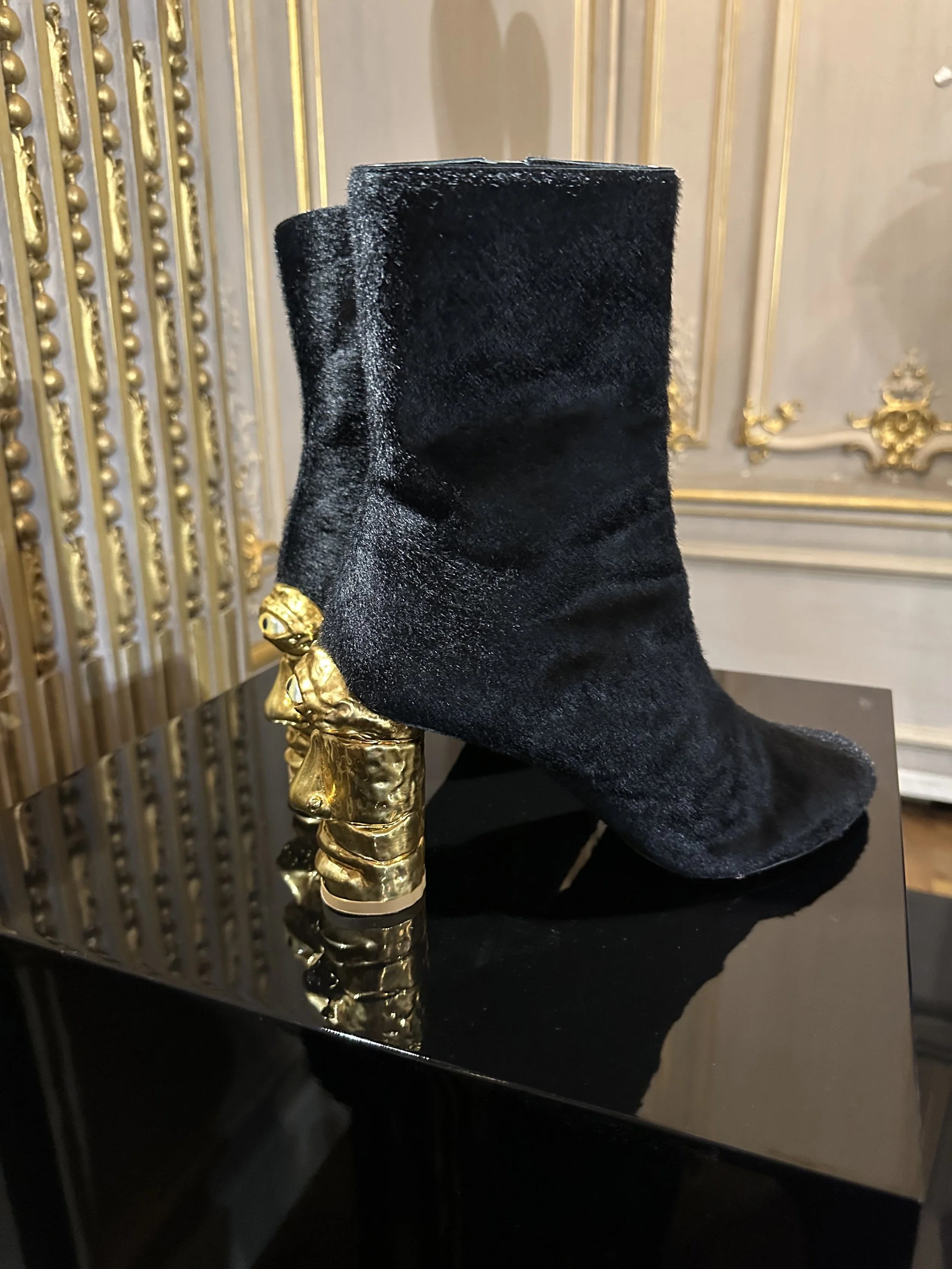
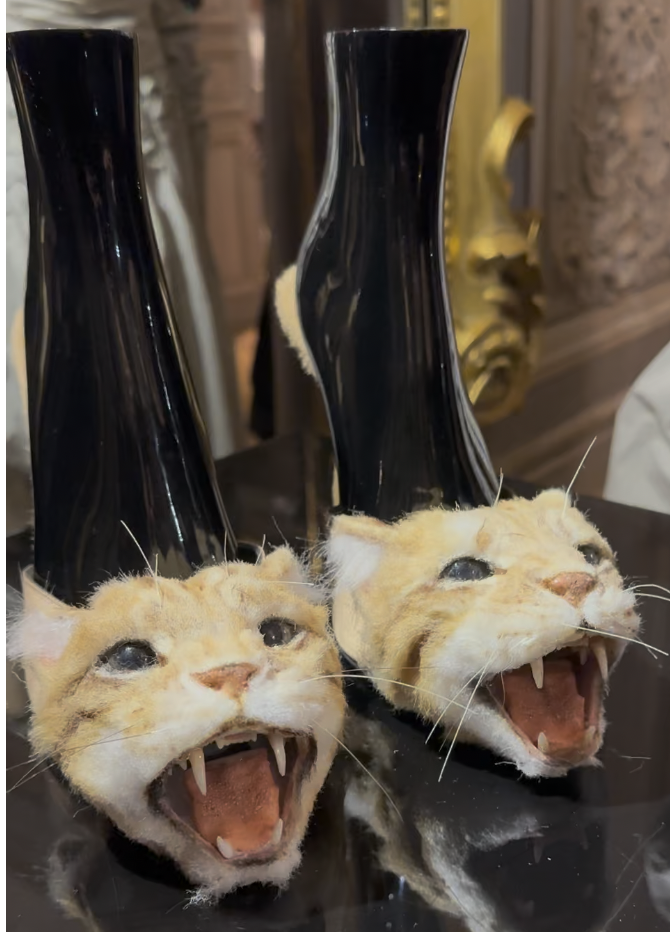
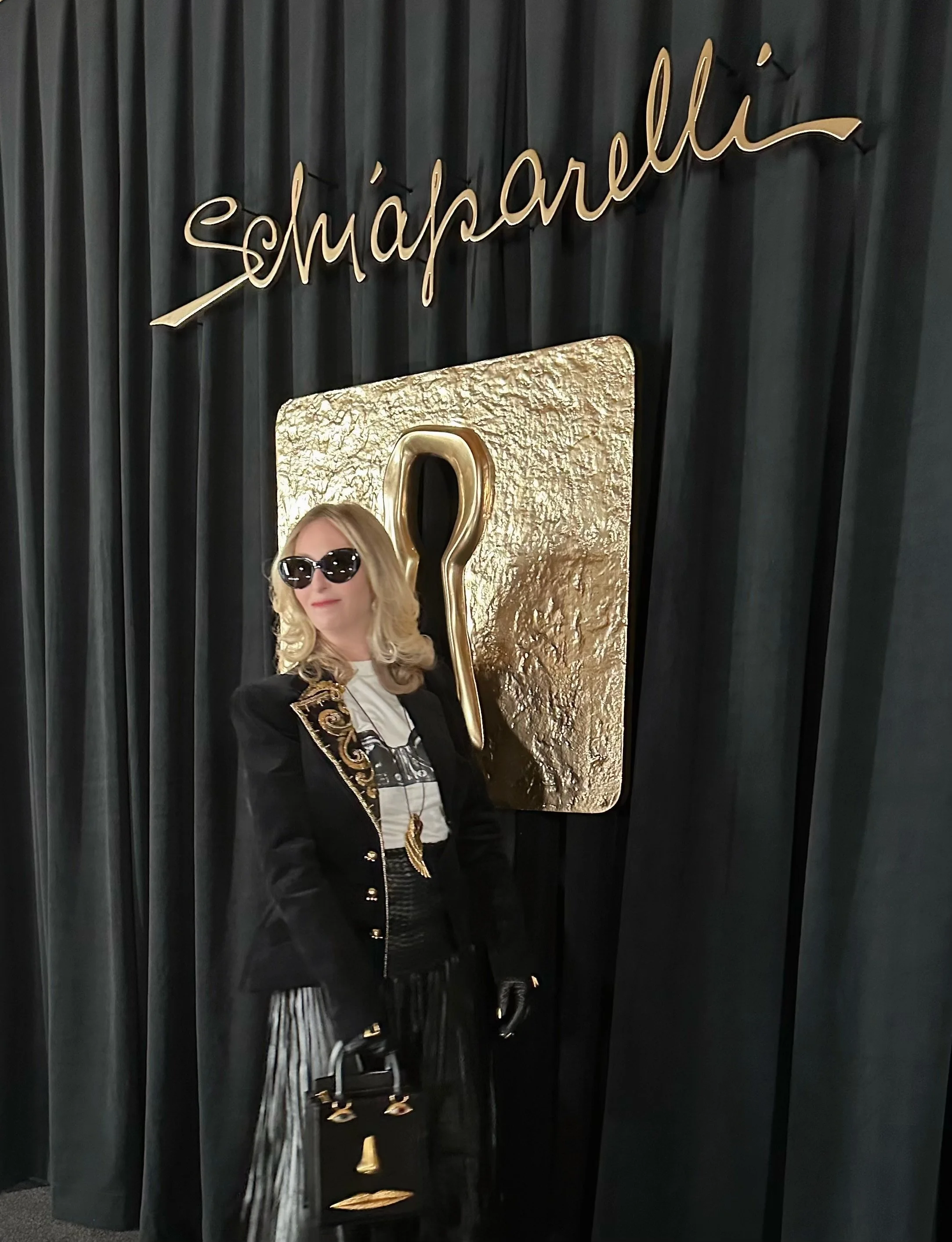

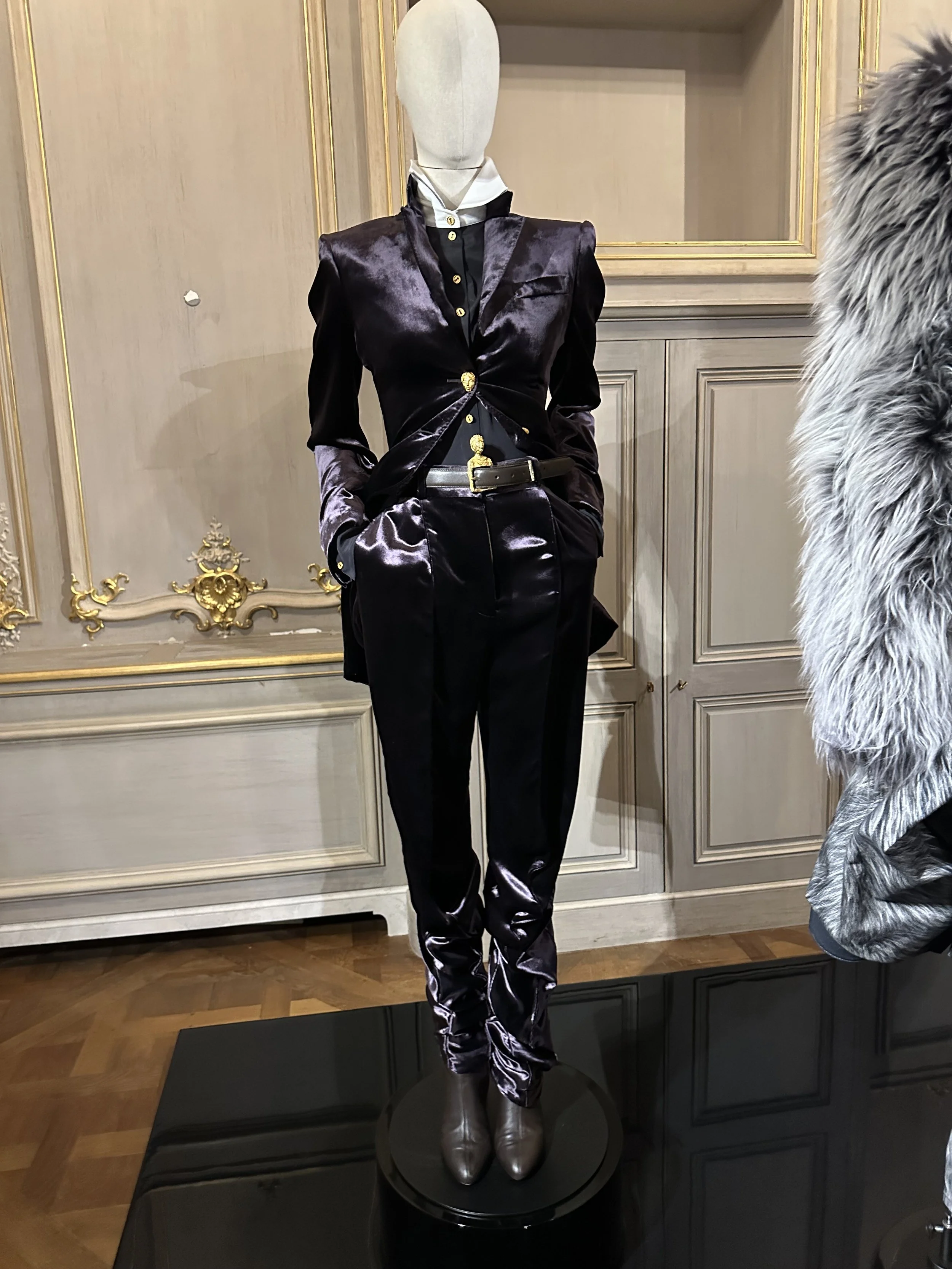
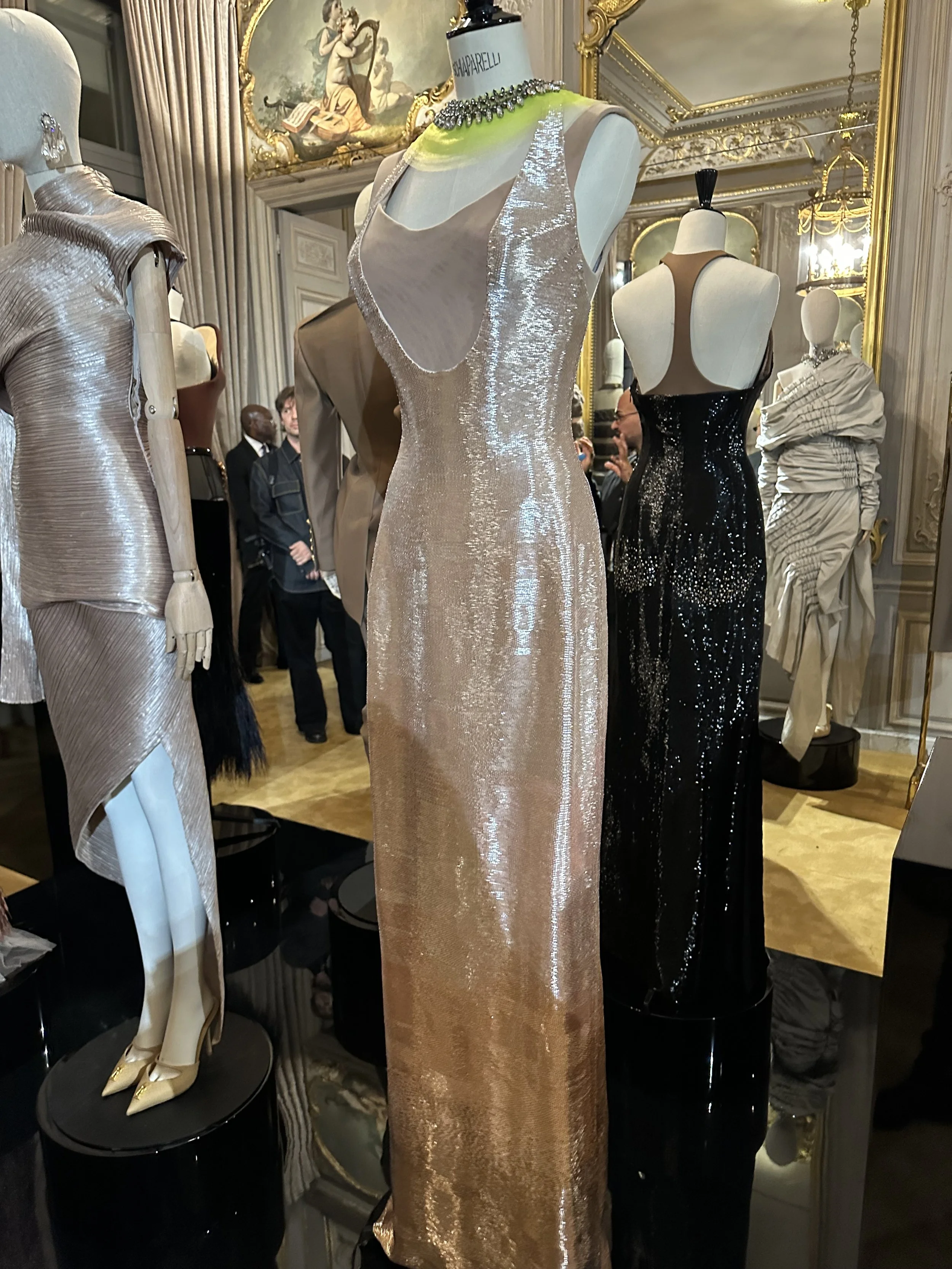
At the Schiaparelli Ready-to-Wear show in Paris in March 2026, the collection felt less like traditional ready-to-wear and more like demi-couture, pieces with the craftsmanship and theatricality of couture translated into garments meant to live well beyond the runway.
The silhouettes were sharp and architectural: sculpted jackets with defined waists, elongated trousers, and sleek skirts that balanced drama with precision. The tailoring felt meticulous, with every line intentionally placed to create a sense of power and elegance.
Running through the collection was a Sphinx-inspired theme, adding an air of mystery and mythology to the show. The reference evoked ancient symbolism. power, guardianship, and riddles, woven subtly through sculptural shapes and commanding silhouettes.
True to the house’s surrealist heritage, the collection was rich with anatomical details that transformed the clothes into wearable art. Sculptural gold elements referencing the human form—torso motifs, curved lines echoing the body, and other surrealist anatomical accents appeared throughout the collection, continuing Elsa Schiaparelli’s fascination with the body as both structure and symbol.
Accessories were equally dramatic. Bold belts, statement jewelry, and striking footwear reinforced the idea that Schiaparelli dressing is never quiet.
As artistic director Daniel Roseberry described it, the collection was designed for the woman who doesn’t want to be classic or boring a woman drawn to fashion that is expressive, sculptural, and unapologetically bold.
What made the show so compelling was that it never felt diluted for ready-to-wear. Instead, it carried the same imaginative intensity that defines the house’s couture, making the entire presentation feel like a bridge between atelier craftsmanship and modern dressing, true demi-couture for today.